
You are here
Food culture: what to eat and how it is served
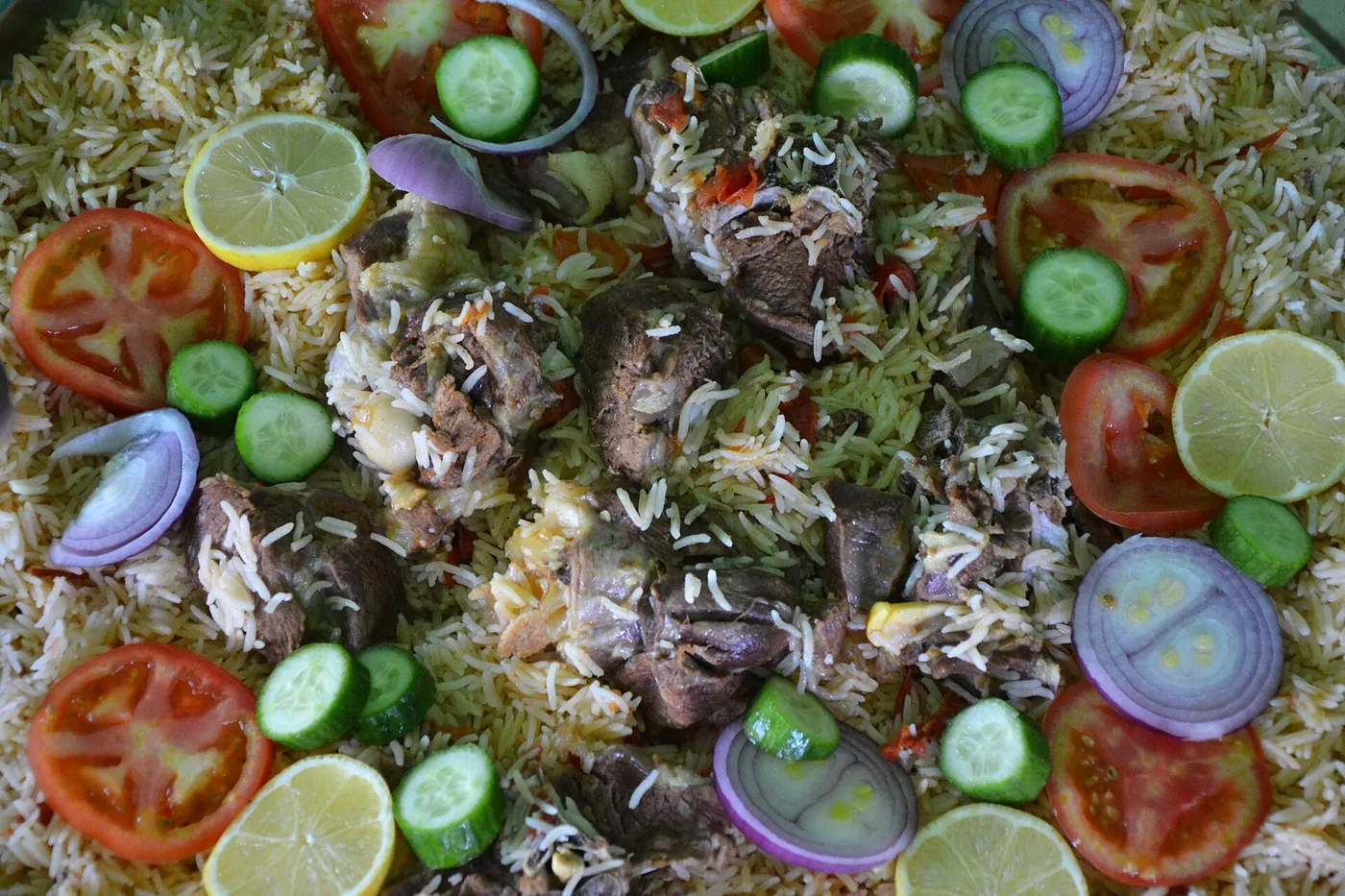
A visitor's introduction to Bahraini dishes, sweets and drinks, and the hospitality customs that go with them.
Bahraini food reflects the islands' long history as a trading hub. Spices from South Asia, rice, dates, fish from the Gulf and techniques from across the region come together in dishes that are generous, fragrant and meant for sharing.
Dishes to try
Machboos is the national favourite: rice cooked with spices and meat, chicken or fish, often finished with dried lime. Muhammar is a sweet rice flavoured with dates or date syrup, traditionally eaten with fish. Balaleet, sweetened vermicelli topped with an omelette, is a classic breakfast. During Ramadan you will find harees, a slow-cooked wheat and meat dish, and luqaimat, small fried dumplings drizzled with date syrup.
Fish from the Gulf
Fish has always been central to island life. Local favourites include safi (rabbitfish) and hamour (grouper), often grilled or fried and served with rice. Fishing harbours and markets give a sense of how important the sea still is.
Sweets
Bahraini halwa is a jewel-coloured, sticky sweet made with sugar, starch, saffron, cardamom and rosewater, often studded with nuts. Traditional shops in Muharraq and Manama stir it in large pots, and it is a classic gift to take home.
Coffee, tea and hospitality
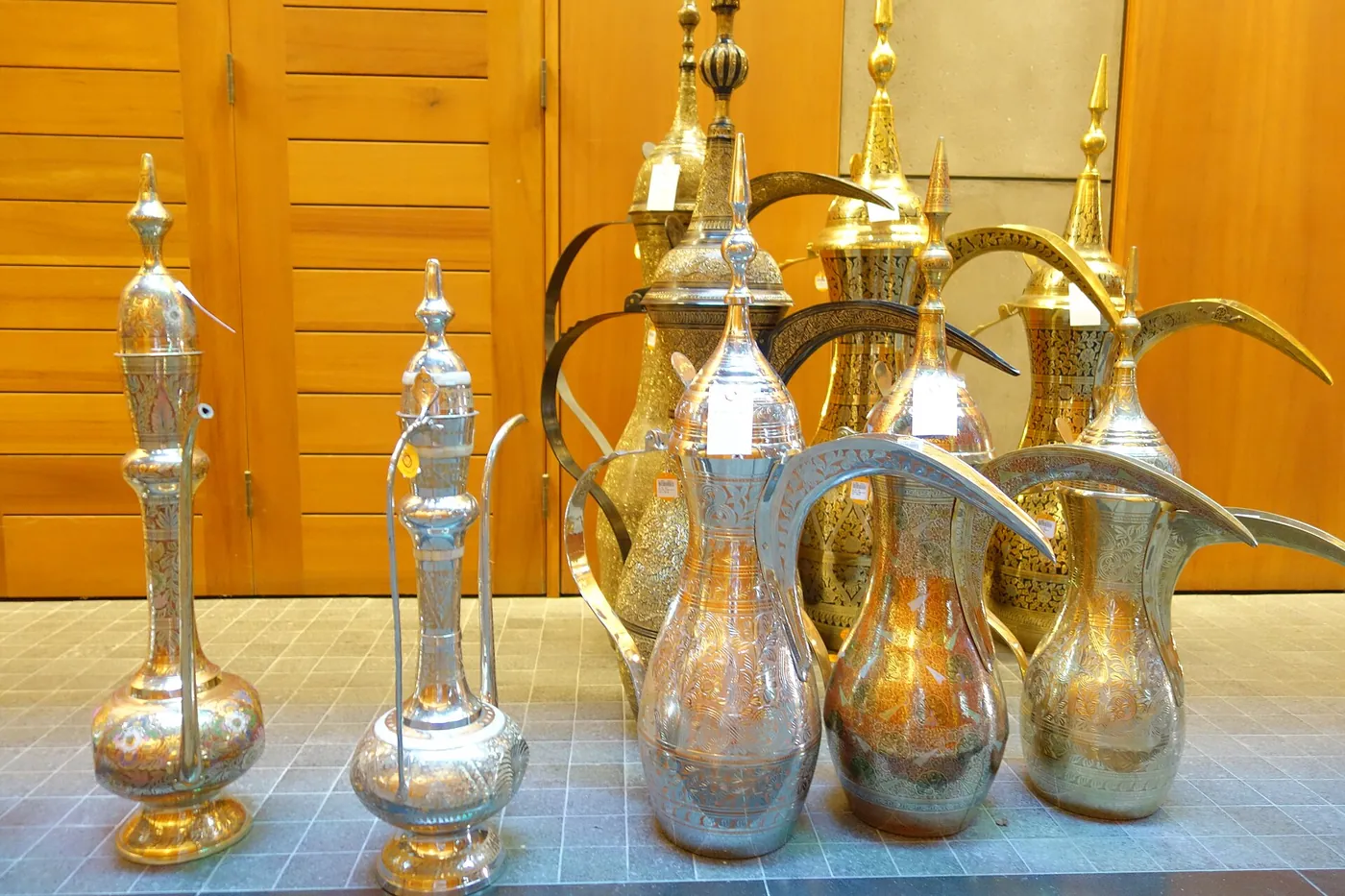
Arabic coffee, gahwa, is light-roasted and flavoured with cardamom, poured from a dallah into small cups and often served with dates. Accept with your right hand, and when you have had enough, gently shake the cup. Karak, a strong, sweet tea brewed with milk and spices, is the everyday drink of cafés and roadside stalls.
Where to eat
The souqs are the easiest place to start, with small cafés and bakeries. Traditional restaurants serve family-style platters, and the ubiquity of South Asian and Levantine kitchens reflects the islands' diverse communities. For a short glossary, see the journal entry on food words for visitors.