
You are here
Etiquette basics for visitors
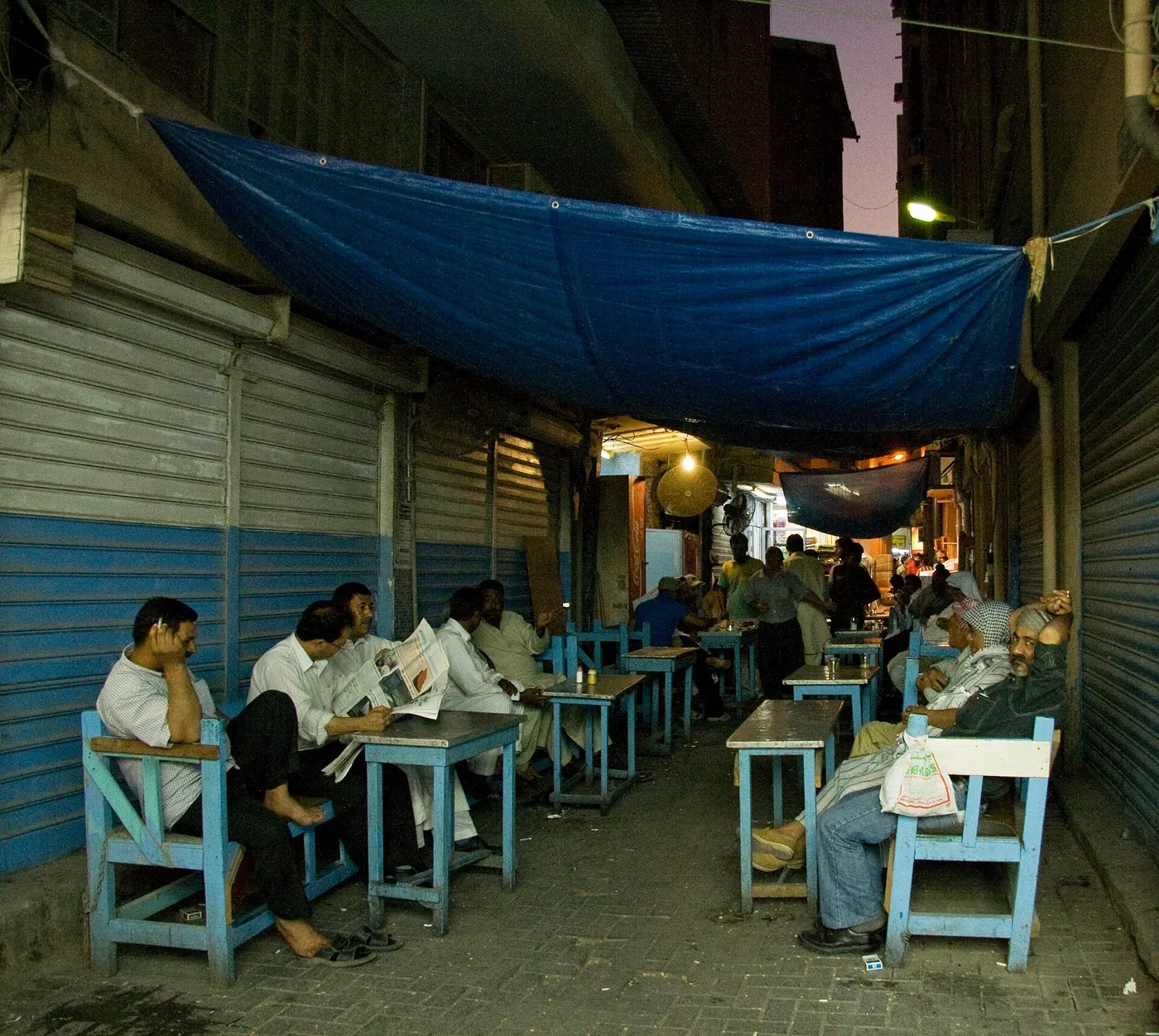
A few simple habits that make visits to souqs, heritage sites and homes go smoothly.
Bahrain is used to visitors and generally relaxed with them, and English is widely spoken. A handful of courtesies, most of them common sense, will make you feel more at ease and help you connect with people you meet.
Dress
Modest dress is appreciated in public places, and expected at heritage sites, in the souqs and at places of worship. Clothes that cover shoulders and knees are a safe choice for everyone. Swimwear belongs at the beach or pool. Hotels and malls are more relaxed, but it is always easier to be slightly overdressed than underdressed.
Greetings and conversation
A greeting comes before business, whether in a shop or a taxi. The traditional greeting, as-salaam alaykum, is warmly received from visitors. Handshakes are common between men; with women, it is polite to wait and follow her lead. Use your right hand for greeting, passing items and eating.
Hospitality
If you are offered Arabic coffee or tea, accepting a cup is a friendly gesture. Coffee is served in small cups and refilled until you signal that you have had enough, usually by gently shaking the cup from side to side. Our food culture guide covers more of these customs.
Photography
Ask before photographing people, especially women and families, and respect a refusal. Follow any signs restricting photography, and avoid photographing official buildings or security installations.
Ramadan and holidays
During Ramadan, avoid eating, drinking or smoking in public during daylight hours, as a courtesy to those fasting. Many restaurants adjust their hours, and the evenings take on a festive, sociable character. The weekly day of rest is Friday, and the weekend runs Friday to Saturday; some shops and sites open later on Fridays.
Public behaviour
Public displays of affection are best kept discreet, and loud behaviour in residential areas or near places of worship is frowned upon. Queues are generally respected, and patience goes a long way at busy counters. When in doubt, watch what local people around you do and follow their lead.